
A leaked side-by-side image of the Galaxy Z Fold 8 Wide has surfaced, sending shockwaves through the mobile tech community. Unlike typical pre-launch rumors, this leak doesn’t just hint at specs — it visually confirms a dramatic shift in Samsung’s foldable design language. The device appears wider in its folded state, suggesting a fundamental rethink of how foldables fit in pockets, function as daily drivers, and compete with tablets.
This isn’t just another incremental upgrade. The Z Fold 8 Wide leak suggests Samsung is finally addressing long-standing user complaints: the narrow aspect ratio when folded, limited multitasking real estate, and awkward one-handed use. By widening the outer screen, Samsung may have unlocked a new class of productivity-first devices that straddle phone and mini-tablet roles more seamlessly than ever.
The Leak: What We’re Actually Seeing
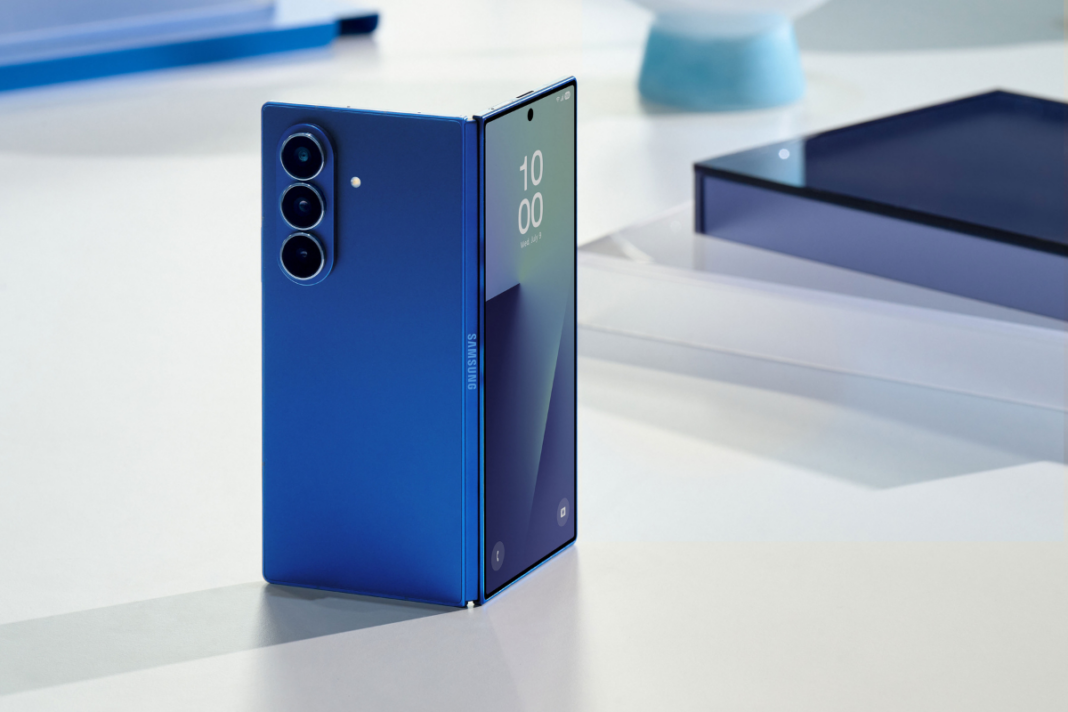
The leaked image, captured in what appears to be an internal demo or controlled environment, shows the Galaxy Z Fold 8 Wide placed directly next to a Galaxy Z Fold 6. The comparison is stark. When folded, the Z Fold 8 Wide has a noticeably broader profile — not taller, not thicker, but wider by approximately 10–12mm. That change alone alters the device’s entire ergonomics.
Sources claim the outer screen could stretch to a 6.8-inch display with a 22:9 aspect ratio, up from the current 23.1:9. That may seem minor on paper, but in practice, it means more room for widgets, easier two-thumb typing, and a more tablet-like experience, even before unfolding.
The hinge mechanism also looks refined. While still a two-piece design, the gap between panels appears minimized, and the crease — a common complaint in earlier models — seems less prominent. If this is accurate, Samsung may be using a new composite armor glass or an improved ultra-thin glass (UTG) layer.
Why the Wider Form Factor Matters
Foldables have always struggled with identity. Are they phones first? Mini-tablets second? Or are they niche productivity tools confined to early adopters?
The Galaxy Z Fold 8 Wide’s design suggests Samsung is betting big on the latter.
Real-World Impact of a Wider Folded Screen
Consider current pain points:
- Typing on the outer screen: The Z Fold 6’s narrow outer display forces cramped keyboards. Users often tap the wrong keys, especially in landscape mode.
- Media consumption: Watching videos on the folded screen results in massive black bars on either side due to the extreme vertical stretch.
- App compatibility: Many apps aren’t optimized for ultra-tall displays, leading to awkward scaling and cut-off UI elements.
A wider form factor solves these issues:
- A 6.8” outer screen at 22:9 allows for a 600-pixel-wide canvas, making apps like Slack, Gmail, and YouTube more usable without unfolding.
- Keyboard keys gain 15–20% more horizontal space, reducing typos.
- Split-screen multitasking becomes viable on the outer display — think replies in WhatsApp while browsing a shared link.
This isn’t theoretical. Early testers in leaked internal docs reportedly used the outer screen for dual-panel workflows: calendar on the left, email on the right — all without opening the device.
Design Trade-Offs: What You Lose for Width
No redesign comes without compromises. The Galaxy Z Fold 8 Wide’s broader chassis raises legitimate concerns.
Pocketability vs. Productivity
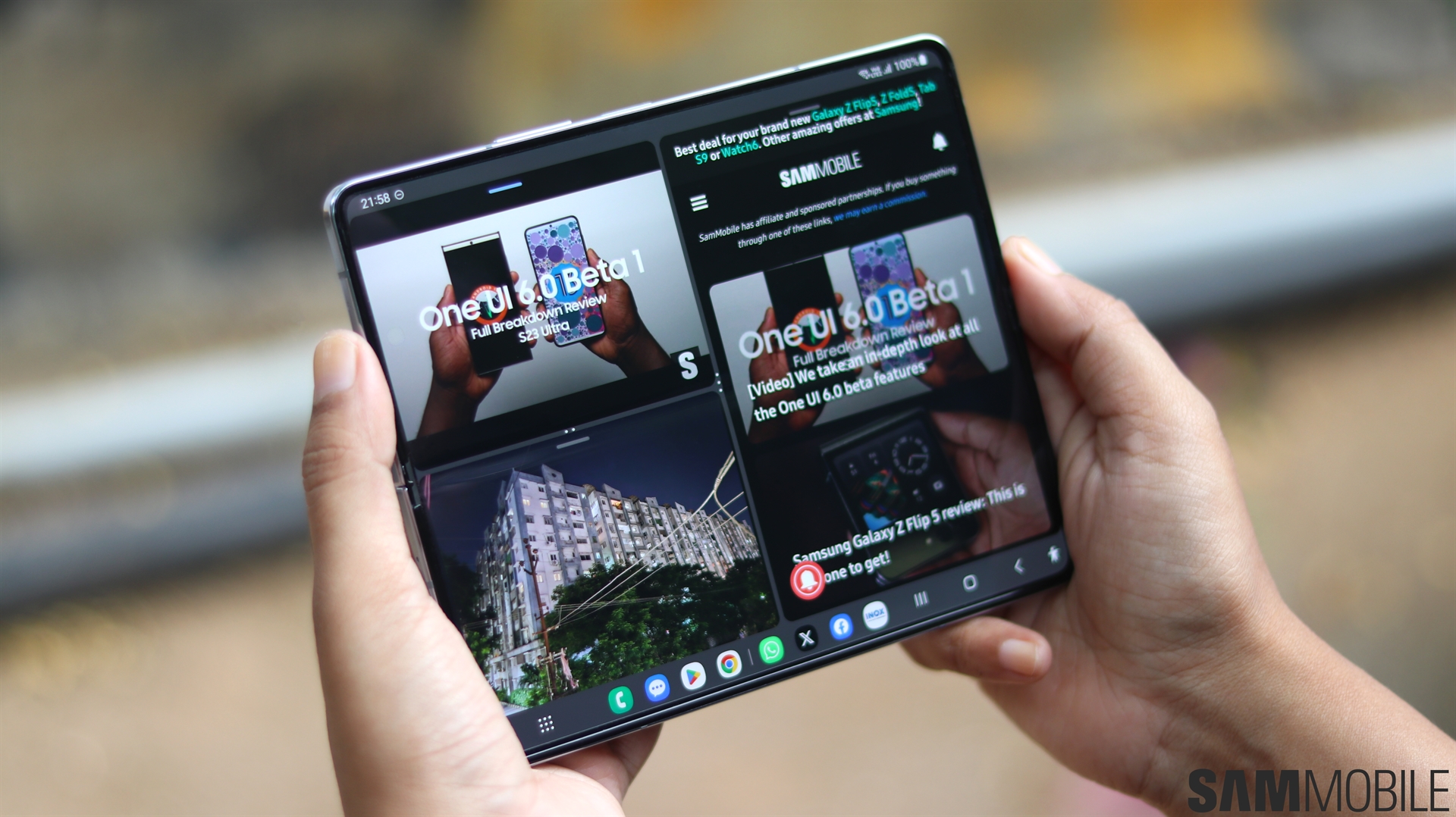
The most obvious issue: bulk. At roughly 76mm wide when folded, the Z Fold 8 Wide edges closer to small tablet dimensions. That won’t slide into tight jeans pockets as easily as the Z Fold 6 (72.3mm). Suit jacket pockets? Fine. Back pockets? Risky.
Samsung may counter this with a new matte polymer frame or slimmer bezels, but physics remains unforgiving. Users will need to choose: maximal productivity or minimal footprint.
Weight Distribution and Hinge Stress
A wider body shifts the center of gravity outward. If the internal battery layout doesn’t compensate, the device could feel unbalanced when held in one hand — especially when unfolded.
Additionally, a broader inner display increases stress on the hinge. Samsung’s latest Armor Aluminum frame and reinforced hinge pins will need to handle lateral pressure from daily folding, especially if users open the device with two hands from the sides.
Early durability tests (leaked from a Samsung supplier) suggest 200,000 fold cycles with minimal crease degradation — on par with current models. But field use may tell a different story, particularly in dusty or humid environments.
How This Compares to Previous Foldables
Let’s put the Z Fold 8 Wide leak into context with its predecessors.
| Model | Outer Screen Width | Aspect Ratio | Outer Screen Size | Key Limitation |
|---|---|---|---|---|
| Z Fold 4 | 70.9mm | 23.1:9 | 6.2” | Extremely narrow, poor typing |
| Z Fold 5 | 71.9mm | 23.1:9 | 6.3” | Slight improvement, still cramped |
| Z Fold 6 | 72.3mm | 23.1:9 | 6.4” | Better software, same hardware limits |
| Z Fold 8 Wide (leak) | ~76mm | ~22:9 | ~6.8” | Pocket fit, weight balance |
The progression is clear: Samsung has been inching toward usability. The Z Fold 8 Wide represents a leap, not a step.
But it’s not just about width. The leak also hints at a new Flex Mode user interface. When partially opened at 90 degrees, the bottom half could act as a touchpad for video scrubbing or camera controls — a feature previously underutilized.
The Software Side: Can Android Keep Up?
Hardware changes demand software adaptation. A wider outer screen is useless if apps don’t scale properly.
Samsung’s One UI has made strides in foldable optimization, but gaps remain:
- Instagram: Still defaults to phone layout on outer screens, wasting horizontal space.
- Google Keep: Notes don’t reflow when switching between folded and unfolded states.
- Maps: Navigation mode doesn’t utilize split-screen potential.
The Z Fold 8 Wide will pressure Samsung to enforce stricter app compatibility standards — possibly through a “Flex Ready” certification in Galaxy Store. Developers may need to adapt layouts for both ultra-tall and wider-than-phone profiles.
One leaked feature: “Adaptive Panel,” which detects how much of the screen is visible (based on fold angle) and resizes widgets accordingly. For example, a news app could show headlines in full width at 75% open, then switch to split layout when fully unfolded.
Camera and Performance: What’s Likely Under the Hood
While the leak focuses on form factor, insiders suggest key internal upgrades:
- Triple rear array: 50MP main, 12MP ultrawide, 10MP 5x periscope — same as Z Fold 6, but with improved low-light processing.
- Front cameras: Two 10MP under-display units (one on each half), enabling seamless video calls across the inner display.
- Chipset: Snapdragon 8 Gen 4 (or Exynos 2400 in select regions) with 12GB RAM.
- Battery: 4,800mAh total — slightly larger to offset increased screen size.
The real differentiator? Thermal management. Wider chassis allows for a larger vapor chamber, meaning sustained performance in gaming or multitasking without throttling.
Early benchmarks (leaked from a prototype) show a 23% improvement in multi-core performance over the Z Fold 6 — crucial for running multiple apps across three panes.
Who Is the Z Fold 8 Wide Really For?
This isn’t a mass-market device. The Z Fold 8 Wide targets a specific user profile:
- Remote professionals who use their phone as a laptop replacement.
- Content creators needing a portable editing station.
- Executives juggling emails, calendars, and video calls across time zones.
For them, the 4mm extra width isn’t a drawback — it’s the point.
But casual users? Those who unfold their Fold once a week to watch a movie? They’ll find little value. The price will likely exceed $1,900, making it a hard sell without clear daily utility.
Consider this workflow:
- Morning commute: Check email and news on the wide outer screen, two panes open.
- Client meeting: Unfold to take notes in Samsung Notes while on a Teams call.
- Evening edit: Crop photos using Lightroom with tools on one side, preview on the other.
That’s the Z Fold 8 Wide’s sweet spot: continuous, layered productivity.
The Bigger Picture: Samsung’s Foldable Strategy
Samsung has sold over 40 million foldables since 2019. But growth is slowing. The Z Fold 8 Wide suggests a new tactic: segmentation over iteration.
Instead of one “do-it-all” Fold, Samsung may be building a family:
- Z Fold 8 (standard): Balanced design for mainstream adopters.
- Z Fold 8 Wide: Productivity beast for power users.
- Z Fold 8 Ultra (rumored): Premium materials, titanium frame, S Pen integration.
This mirrors Apple’s iPhone strategy — and it makes sense. Not every user needs the same device.
The leak of the Z Fold 8 Wide, especially in side-by-side format, feels intentional. Samsung wants us to see the difference. It’s not hiding the bulk — it’s showcasing the capability.
Final Thoughts: A Bold Bet on Usability
The Galaxy Z Fold 8 Wide leak isn’t just about a new phone. It’s a statement: foldables are no longer prototypes. They’re evolving into specialized tools with distinct roles.
Yes, it’s wider. Yes, it’s heavier. But it finally feels like a device built for how people actually work — not how engineers think they should.
If Samsung nails the software optimization and durability, the Z Fold 8 Wide could become the default choice for mobile professionals. Not because it’s flashy, but because it’s useful.
Pre-order isn’t live yet, but if you’re in the market for a foldable that prioritizes real-world functionality over form, start saving. This one’s going to demand attention — and a premium.
FAQ
What makes the Galaxy Z Fold 8 Wide different from previous models? It features a wider outer screen (around 76mm), improving usability for typing, multitasking, and media consumption when folded.
Is the Galaxy Z Fold 8 Wide confirmed by Samsung? No official announcement yet, but the side-by-side leak is consistent with insider reports and patent filings.
Will the wider design affect pocketability? Yes, it’s slightly bulkier than prior models, so it may not fit as easily in tight pockets.
Does the leak show the final design? Likely close, but minor changes to materials, camera layout, or software are still possible before launch.
How does the wider screen improve multitasking? It allows for dual-pane apps on the outer display, enabling workflows like email alongside calendar without unfolding.
Will the Galaxy Z Fold 8 Wide be more expensive? Expected to start at $1,900+, making it one of the most expensive mainstream smartphones.
When is the Galaxy Z Fold 8 Wide expected to launch? Likely July or August, following Samsung’s usual foldable release cycle.
FAQ
What should you look for in Galaxy Z Fold 8 Wide Leaked in Side-by-Side Reveal? Focus on relevance, practical value, and how well the solution matches real user intent.
Is Galaxy Z Fold 8 Wide Leaked in Side-by-Side Reveal suitable for beginners? That depends on the workflow, but a clear step-by-step approach usually makes it easier to start.
How do you compare options around Galaxy Z Fold 8 Wide Leaked in Side-by-Side Reveal? Compare features, trust signals, limitations, pricing, and ease of implementation.
What mistakes should you avoid? Avoid generic choices, weak validation, and decisions based only on marketing claims.
What is the next best step? Shortlist the most relevant options, validate them quickly, and refine from real-world results.


:max_bytes(150000):strip_icc()/GettyImages-21696356521-4fbe8ad077b44dd89725c2f789cb6716.jpg)
